
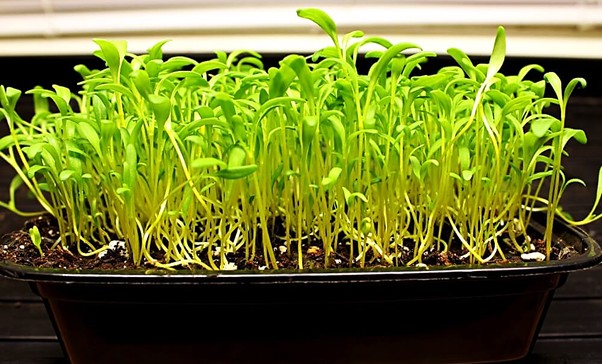
Pre-soak: No
Germination/black out time: 4-5 days
Time to harvest: 10-14 days
Height: 3-5cm
Flavour: Earthy, slightly bitter flavour
Nutrients: Vitamins A, B6, C, E, K & Beta-Carotene. A good source of Antioxidants, Magnesium, Potassium, Iron, Fibre, Folate, Calcium, Copper, Phosphorus, Zinc, Manganese, Lutein, Anthocyanin & Zeaxanthin
Health Benefits include:
Bone & Teeth Health: High in calcium (a mineral essential for the growth & maintenance of bones & teeth) magnesium & vitamin K content help strengthen bones & reduce the risk of osteoporosis. As a component of the bone matrix, calcium builds bone mass & strengthens its structure
Immune System: Vitamins & antioxidants help boost the immune system & improve overall health In addition, the vitamin E present in chard microgreens plays an essential role in the immune system, as it aids in producing immune cells that fight infection
Vision & Eye Health: Rich in vitamin A, lutein & zeaxanthin, which help maintain healthy vision & prevent age-related macular degeneration
Oxidative Stress: Antioxidants, including betalains, flavonoids & phenolics, help reduce oxidative stress & support skin health
Heart Health: Antioxidants; phytonutrient beta carotene & vitamins C, K & B6 help lower blood pressure improving cardiovascular system & reducing the risk of heart disease. Anthocyanins fight against atherosclerosis & potassium helps maintain appropriate blood pressure & cholesterol levels which have a direct effect on the heart, liver &
digestive system functions.
Diabetes: Antioxidants & anti-inflammatory properties help protect against diabetes. It lowers blood sugar levels naturally while helping the body metabolize carbohydrates better
Cancer prevention: Antioxidants & phytonutrients provide cancer-fighting agents to the body helping protect against skin, digestive, mouth, throat, stomach, ovarian, pancreatic, lung & liver cancers with its vitamins E & C; beta carotene, zinc, quercetin content. High in folate, also prevents colon, breast, & prostate cancers.
Digestion: Chard helps boost the digestive system by increasing stomach acidity. It also has a laxative effect which helps eliminate wastes from the body. Rich in fibre & other nutrients like potassium & magnesium, which promote regular bowel movements that keep the gastrointestinal tract healthy. It also promotes good bowel movement by cleansing the digestive tract
Brain function: Potassium & vitamin K are essential for cerebral development, cognitive function & preventing degenerative brain disorders such as dementia. High in omega-3 fatty acids, antioxidants, beta-carotene & natural nitrates which help increase blood flow to the brain & protect against Alzheimer’s disease
Anaemia: High in iron, copper & vitamin B, all of which are required for the proper development of healthy red blood cells & essential for their functioning. It can also help prevent anaemia
Healthy hair: Healthy hair is heavily reliant on biotin (commonly known as B7), an organic compound found in Swiss chard, which is one of the best natural providers of this vitamin
Anti-clotting: A rich source of vitamin K which is essential for blood clotting as it helps produce proteins necessary for blood clotting. As an anti-clotting agent is helps prevent the formation of clots, which in turn may lead to a stroke. Vitamin K deficiency can lead to an increased tendency to bleed
Nervous system: A good source of magnesium it plays a vital role in transmitting nerve impulses & muscle contraction. Magnesium has a calming effect on the nervous system & also helps to keep the heartbeat at an average level
Side effects of eating Swiss chard
Most people can safely add Swiss chard to their diet without issues. But note these precautions if you:
- Are prone to kidney stones: Swiss chard contains oxalates, which can raise the risk of calcium oxalate kidney stones. “If you’ve had kidney stones, talk to your healthcare provider about oxalate-rich foods like chard, spinach & beans
- Take blood thinners: “Swiss chard has a lot of vitamin K, which helps your blood clot. So, if you take a blood thinner medication, ask your healthcare provider if you need to watch your vitamin K intake
Reviews
There are no reviews yet.